
Emotional Control for Children
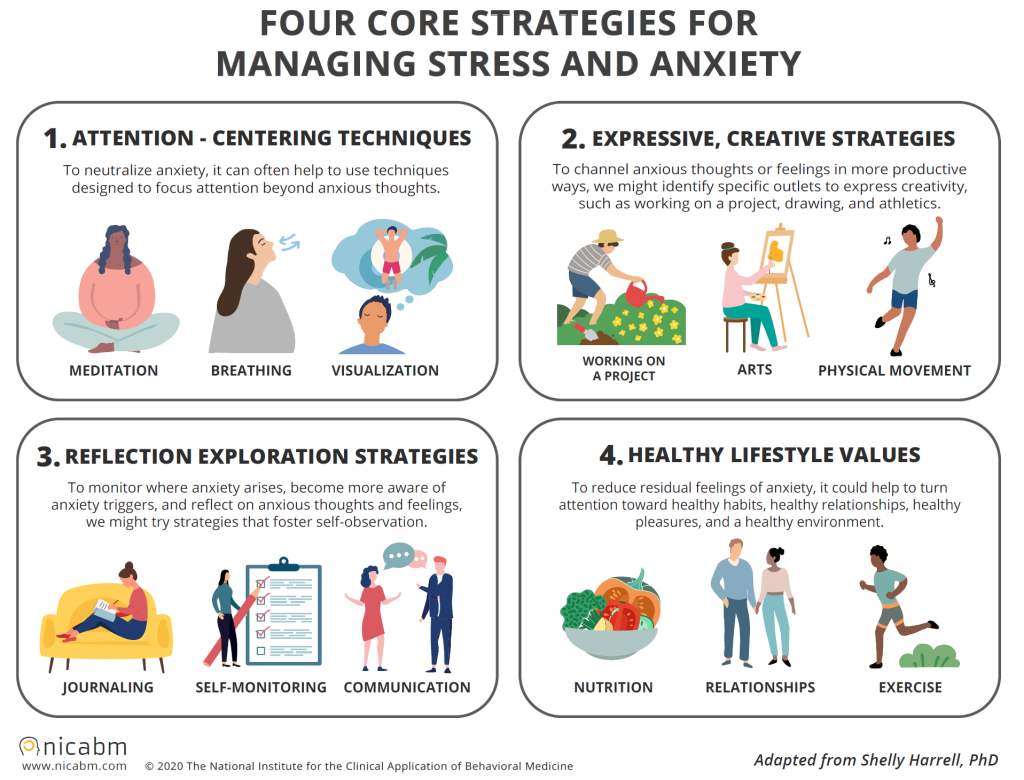
The following strategies would be beneficial to younger clients who have difficulties controlling their emotions or have low frustration tolerance:
■ Clear rules and expectations for behavior, including emotional modulation, both in the classroom and at home, may be important for the student. Such explicit expectations can provide predictability and a feeling of control over the situation, which in turn can facilitate better emotional modulation.
■ Children with executive difficulties, particularly with fragile inhibitory control and/or difficulties adapting to change in their home and school environments, may express their feelings more strongly and more directly than most children.
■ This can make them seem more angry, irritable, sad, or silly than their peers. Such emotional expression should prompt evaluation to rule out mood or affective difficulties. When difficulties with modulation of affect occur in the context of other self-regulatory problems, management of the child’s executive difficulties may be helpful.
■ Difficulties with emotional control can often be viewed as one expression of disinhibition. Thus, techniques for supporting inhibitory control and reducing impulsivity may be helpful.
■ The student might benefit from opportunities to discuss upcoming situations or events that may provoke an emotional outburst. Increasing his awareness of the potential for emotional reactivity and the likely consequences to follow may help him modulate more effectively in the moment.
■ Processing situations that have led to emotional outbursts with the student in a nonthreatening setting and manner is important. Choose a situation where he is relaxed and therefore more receptive to objective analysis of what happened. This can help the student gain better control while increasing his awareness of his reactions.
■ A child with strong emotional responses to events or situations may benefit from learning a concrete, simple metaphor to help increase emotional monitoring and increase the likelihood of a more appropriate response.
■ For example, the student might work in therapy or with a counselor to develop a “thermometer” or “speedometer” metaphor for measuring anger or distress.
■ He might label each temperature or speed to reflect degrees of anger, such as “10 = normal, 20 = irritated, 30 = getting mad,…. 100 = out of control.” Each level can then be tied to a specific concrete behavior, such as counting to delay responses, terminating the conversation, seeking adult intervention, or immediately leaving the situation.
■ The student might benefit from increased awareness of the strength of his emotional reactions and the impact this has on others. Discussing a recent situation with the student when he is calm is one way to help increase his awareness, while also considering other ways he might approach a similar situation in the future. Peer group counseling can provide an opportunity for feedback from peers. Methods for increasing self-monitoring of behavior may be appropriate.
■ Some children with difficulty regulating emotions may require psychotherapy to help them develop a clear, practical, affective vocabulary. Such work can help them differentiate and label complex, overwhelming feelings of “upset” into more specific feeling states (i.e., angry, nervous, sad) as well as practice alternative ways of expressing emotions. They might benefit from learning an “emotional vocabulary” or “scripts” for dealing with situations that provoke strong emotions.
■ A child who experiences difficulty with emotional control often needs short breaks or a cooling off period to consider his response to an event or situation. This is best taken before an emotional outburst occurs. The student might be given permission to take a “time out” when needed or to leave the situation and seek an identified adult with whom he can discuss his feelings. It is important to avoid viewing “time out” as a punishment, and to reward the student for removing himself from a situation independently.
■ Behavioral programs that are designed to support independent use of coping skills can be an important aid. Reinforcing the student’s ability to identifying stress-inducing situations ahead of time, their use of relaxation methods, or his implementation of more modulated forms of emotional expression (e.g., verbalizing feelings associated with a stress response or verbalizing the impact of the stressor) may be helpful.
For more information and targeted interventions on emotional outbursts see these handouts: